

Top 7 Latest Technology Trends in 2026 That Every Business Should Know
Technology is developing more quickly than ever, changing how companies run, interact with clients, and make money. Modern technologies, such as artificial intelligence (AI), sophisticated web applications, and clever digital advertising, are assisting businesses in increasing efficiency, automating processes, and expanding their online consumer base.
A business website by itself is no longer sufficient in 2026. To remain competitive, businesses require quick, mobile-friendly websites, clever software, high online presence, and successful digital marketing tactics.
Knowing the newest technological trends will help you make better business decisions, regardless of whether you manage a startup, small business, manufacturing company, retail store, or existing enterprise.
Let’s examine the top seven technological developments influencing the digital landscape in 2026.
1. Artificial Intelligence (AI) Is Transforming Business Operations
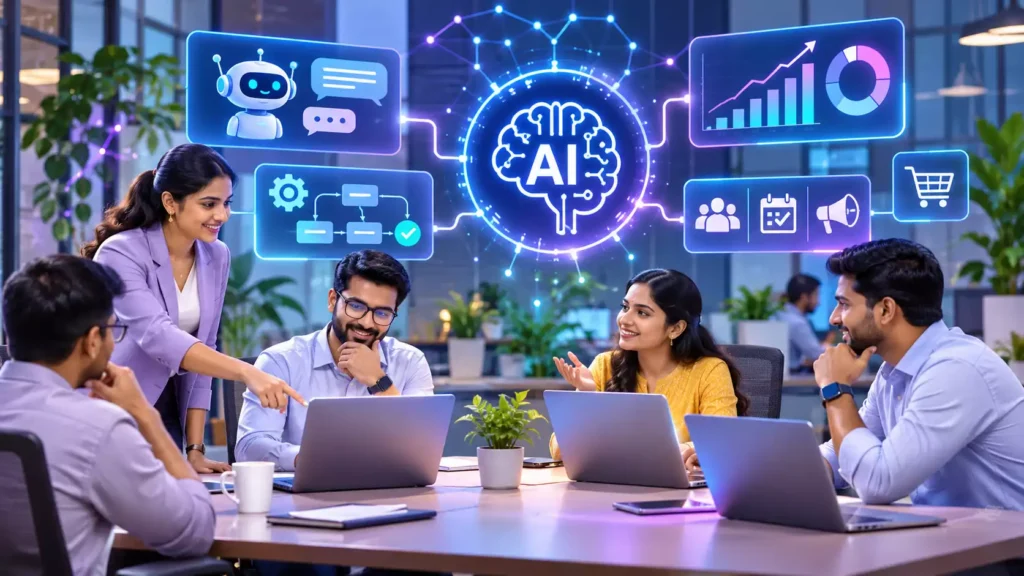
One of the most important technologies in modern business is artificial intelligence. AI-powered solutions are being used by businesses more and more to automate manual operations, enhance customer service, analyze corporate data, and make decisions more quickly.
AI is no longer just for big businesses. AI technologies can also help small and medium-sized enterprises streamline their day-to-day operations.
Key applications of AI in business:
- AI-powered customer support and chatbots.
- Automated email responses and customer follow-ups.
- AI-based data analysis and business reporting.
- Intelligent content creation and marketing.
- Workflow automation and lead management.
- Personalized customer experiences.
For example, a retail business can implement an AI-powered chatbot on its website to answer customer questions, share product information and collect enquiries even outside business hours.
Why businesses should adopt AI:
AI helps businesses reduce manual work, improve operational efficiency and deliver better customer experiences.
2. AI-Powered Website Development and Smart User Experiences
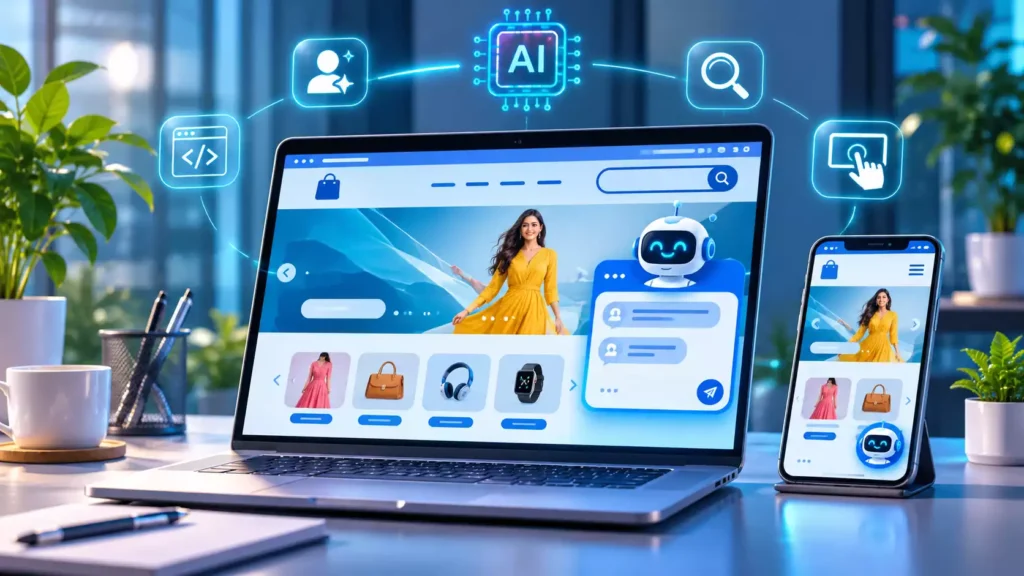
Traditional static pages are becoming less common in website development. With the use of AI technologies, modern websites are becoming more intelligent, interactive, and customized.
Companies may now design websites that provide better user experiences and more intelligent consumer interactions.
Emerging website development trends include:
- AI-powered website chatbots.
- Personalized website content and recommendations.
- Intelligent search functionality.
- Automated enquiry and lead-generation systems.
- Interactive website elements.
- Voice-enabled website experiences.
A modern business website should also focus on responsive design, fast loading speed, intuitive navigation and secure browsing.
For businesses looking to establish a strong online presence, investing in professional website development is an important step towards digital growth.
3. AI-Powered Search Is Changing SEO Strategies
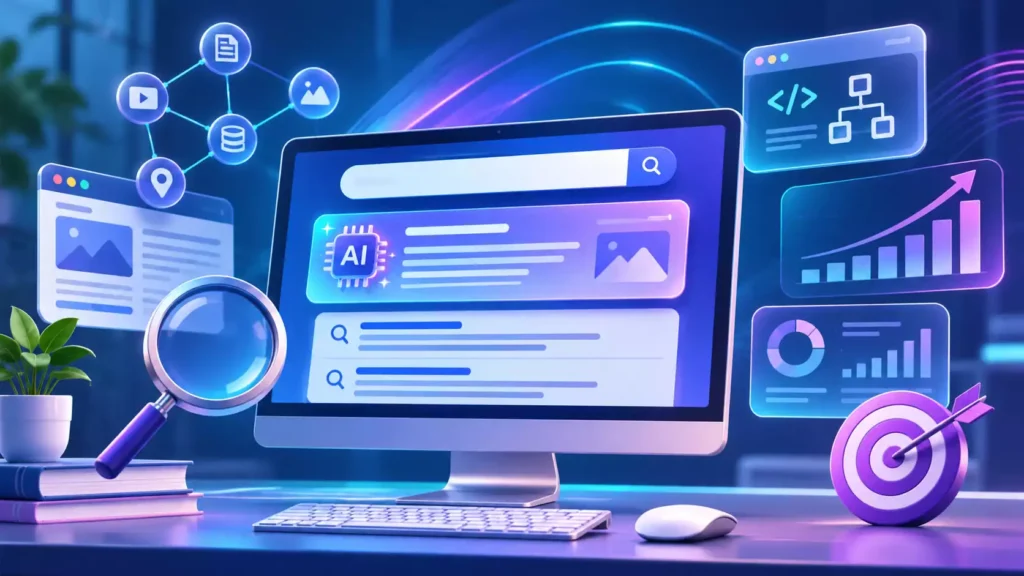
As users engage with AI-powered search experiences more frequently, search engine optimization (SEO) is changing.
AI capabilities like AI Overviews and AI Mode are now part of Google Search, assisting users in exploring complex queries and finding pertinent information.
Businesses’ approaches to internet visibility are evolving as a result of this evolution.
While traditional SEO is still crucial, companies should also concentrate on producing trustworthy, unique, and educational content that addresses actual client inquiries.
Important SEO strategies for 2026:
- Publish original and helpful website content.
- Target customer-focused search queries.
- Improve website loading speed and mobile experience.
- Implement relevant structured data.
- Build a strong internal linking structure.
- Optimize website images and content.
- Maintain Google Business Profile information.
- Monitor website performance through Google Search Console.
Businesses should focus on providing genuine value rather than publishing large volumes of repetitive AI-generated articles.
The objective is simple: create content that helps customers find reliable answers and understand your products or services.
4. AI-Powered Google Ads and Smarter Digital Advertising
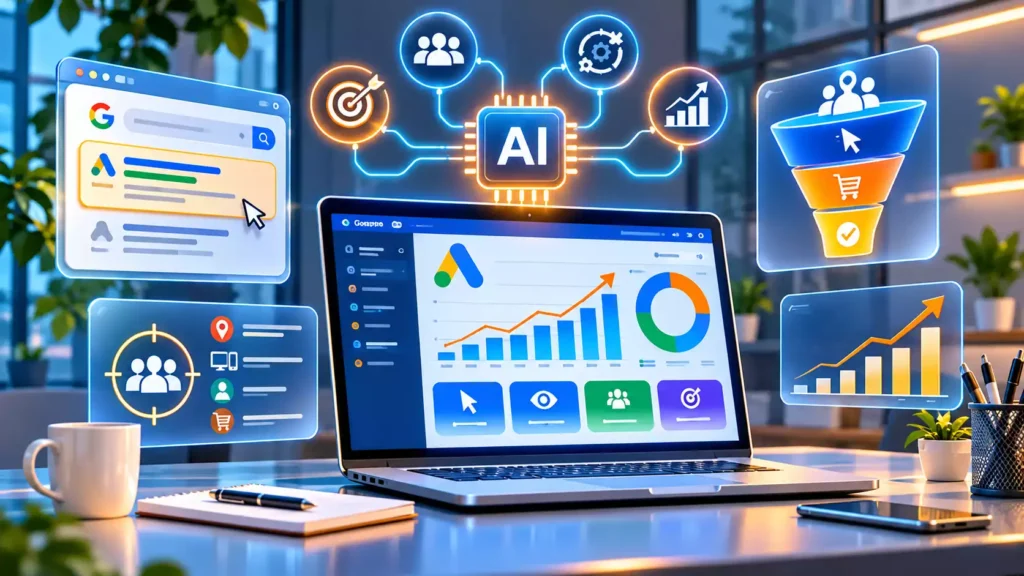
Google Ads is developing with advanced AI features that assist marketers in reaching target audiences and enhancing campaign effectiveness.
AI Max for Search campaigns, which offers AI-powered search word matching, text customisation, and Final URL enlargement, is one significant advancement.
These tools assist advertisers in finding pertinent search opportunities, crafting more contextual ad messaging, and pointing prospective clients toward appropriate webpages.
How AI is transforming Google Ads:
- AI-powered keyword and search term matching.
- Automated ad text customization.
- Intelligent landing page selection.
- Improved audience and location targeting.
- Advanced campaign performance reporting.
- Data-driven campaign optimization.
For example, a company offering website development services can use Google Ads to reach people searching for website designers, business website development and professional web development services.
However, AI automation alone does not guarantee successful advertising.
Businesses still need proper campaign planning, conversion tracking, relevant landing pages, budget management and continuous performance monitoring.
Combining professional Google Ads management with an optimized website can help businesses generate more relevant enquiries and improve marketing efficiency.
5. Progressive Web Applications (PWAs) and Advanced Web Applications
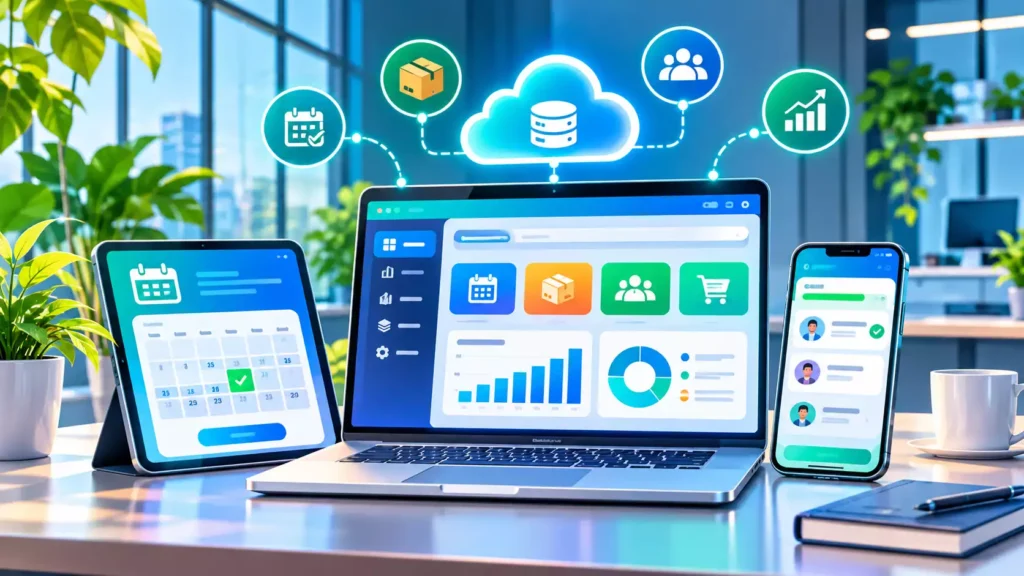
For companies looking to digitize their operations, web applications are becoming more and more crucial.
Web applications, in contrast to standard websites, include interactive features that let users carry out particular tasks online.
CRM apps, booking platforms, billing systems, employee management software, inventory management systems, and customer portals are a few examples.
Progressive online Apps (PWAs) integrate online technologies with specific app-like features, like offline operation when deployed and installation on compatible devices.
Popular applications of modern web technologies:
- Online booking and appointment systems.
- Customer relationship management (CRM).
- Inventory and stock management.
- E-commerce management platforms.
- Employee attendance systems.
- Online billing and invoice management.
- Business dashboards and reporting systems.
Businesses can invest in customized web application development to automate their workflows and reduce dependency on manual processes.
6.Cybersecurity and Data Protection Are Becoming Essential

Cybersecurity has become a top concern as more companies shift their operations online.
Important data, such as customer information, business records, payment information, and private papers, are handled by websites and web applications.
Businesses may experience malware assaults, data breaches, and unauthorized access if they don’t implement adequate security measures.
Essential website and application security practices:
- Implement SSL certificates and HTTPS.
- Use secure authentication systems.
- Enable multi-factor authentication where appropriate.
- Keep CMS platforms, plugins and frameworks updated.
- Perform regular database backups.
- Validate and sanitize user inputs.
- Implement role-based access control.
- Monitor suspicious login activity.
Security should be considered from the beginning of every website and web application development project rather than added only after problems occur.
7. AI Agents and Business Process Automation
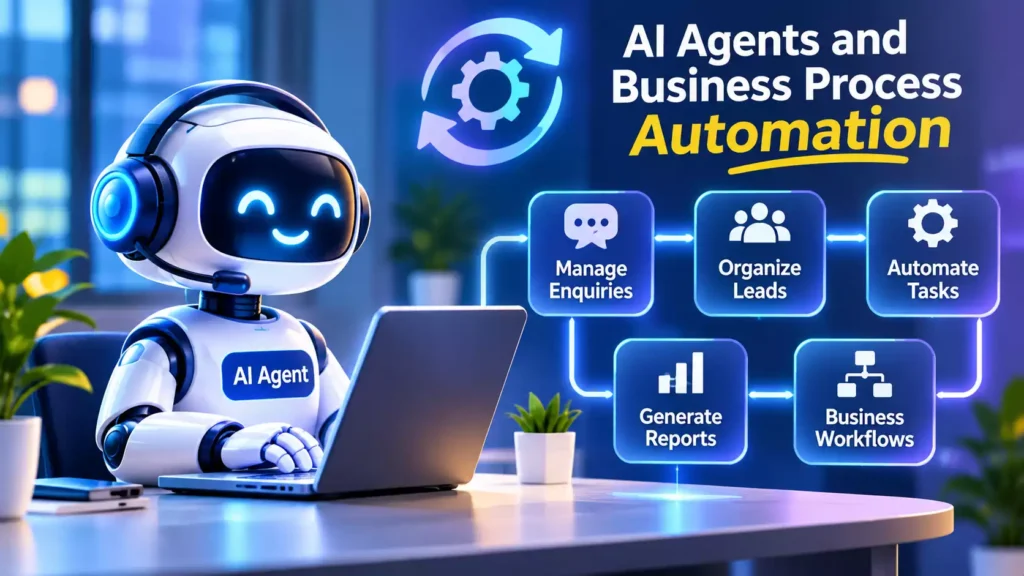
The creation of AI agents is another new trend in technology.
AI agents can be created to carry out multi-step operations using connected technologies, corporate data, and specified permissions, in contrast to traditional chatbots that mostly answer to prepared inquiries.
Businesses can explore AI agents for:
- Managing customer enquiries.
- Organizing sales leads.
- Generating business reports.
- Supporting customer service teams.
- Automating repetitive administrative tasks.
- Assisting with internal business workflows.
For example, an AI-powered business assistant could collect a customer enquiry, categorize the requirement, create a CRM entry and notify the appropriate sales team.
These solutions can help businesses improve productivity and reduce repetitive manual activities.
However, sensitive actions should include suitable access controls, human approval and monitoring.
Conclusion
2026’s technological environment is opening up new possibilities for companies of all sizes. Artificial intelligence, cutting-edge website construction, sophisticated online applications, AI-powered SEO, and clever Google Ads campaigns are transforming how businesses interact with clients and run their operations.
Businesses may increase productivity, fortify their online presence, and improve customer experiences by implementing the appropriate digital technology.
Selecting the appropriate technology, using it properly, and consistently adjusting to shifting client expectations are crucial.